Airlines love selling confusion. Especially when it comes to the difference between a personal item and a carry-on.
Most travelers don’t actually need a bigger bag — they just need a better one.
So here’s a clear breakdown of how they differ, why it matters, and how to choose the right travel bag without overthinking it.
What Is a Personal Item?
A personal item is the smaller bag that fits under the seat in front of you.
Think:
• Duffel bag
• Backpack
• Tote
• Laptop bag
Airlines typically allow this for free, even on budget fares.
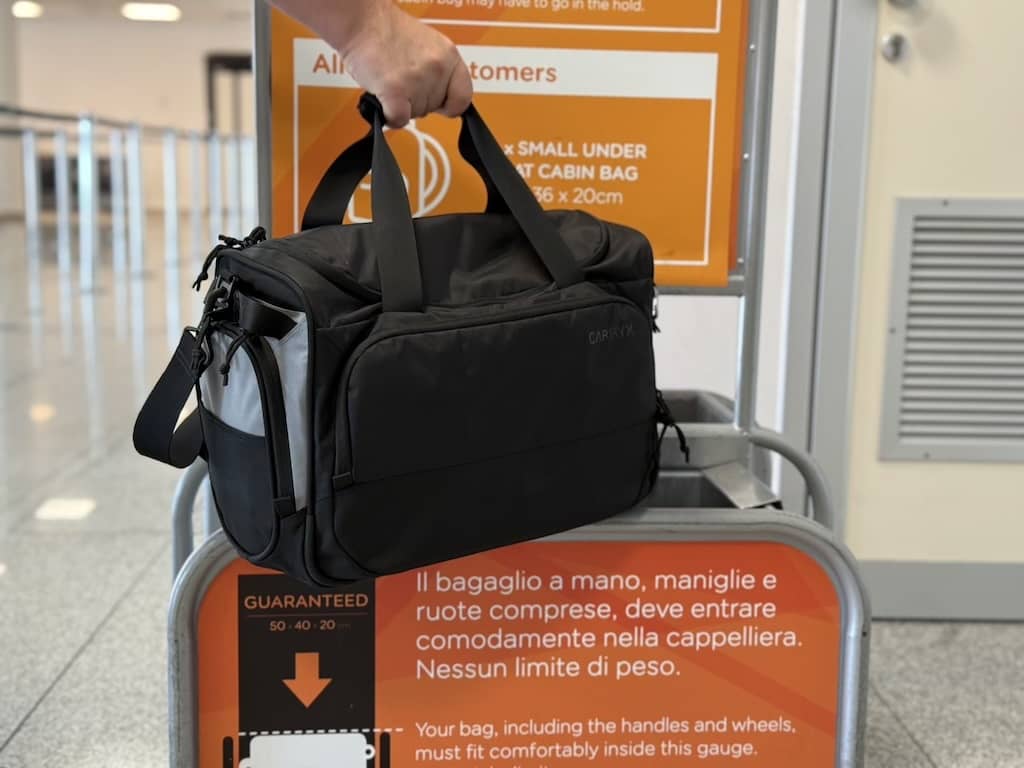
Typical Personal Item Size
While it varies slightly by airline, most allow something around:
17–18" x 10–12" x 8" (43–45cm x 25–30cm x 20cm)
The key requirement isn’t the exact measurement — It’s that the bag fits under the seat.
What Is a Carry-On?
A carry-on is the larger bag that goes in the overhead bin. Usually a small roller or structured case.
Typical Carry-On Size
Most airlines allow something around:
22" x 14" x 9" (56cm x 35cm x 23cm)
However: Many budget airlines charge extra for this even if it technically fits overhead.
The Real Difference: Cost, Convenience, & Control
Here’s the honest breakdown:
| Feature | Personal Item | Carry-On |
|---|---|---|
| Goes under the seat | ✅ Yes | ❌ No |
| Goes in overhead bin | ✅ Sometimes | ✅ Yes |
| Usually free | ✅ Almost always | ❌ Often paid |
| Easier access during flight | ✅ Yes | ❌ No |
| Risk of forced gate-check | ✅ Low | ✅ High |
| Best for short trips | ✅ Yes | ⚠️ Depends |
A well-designed personal item gives you:
• No baggage fees
• No overhead bin battles
• Faster boarding/exiting
• Access to your essentials in-flight
Why Most Travelers Choose the Wrong Bag
Most people think: “Smaller bag means less space.” But that’s only true if the bag is poorly designed.
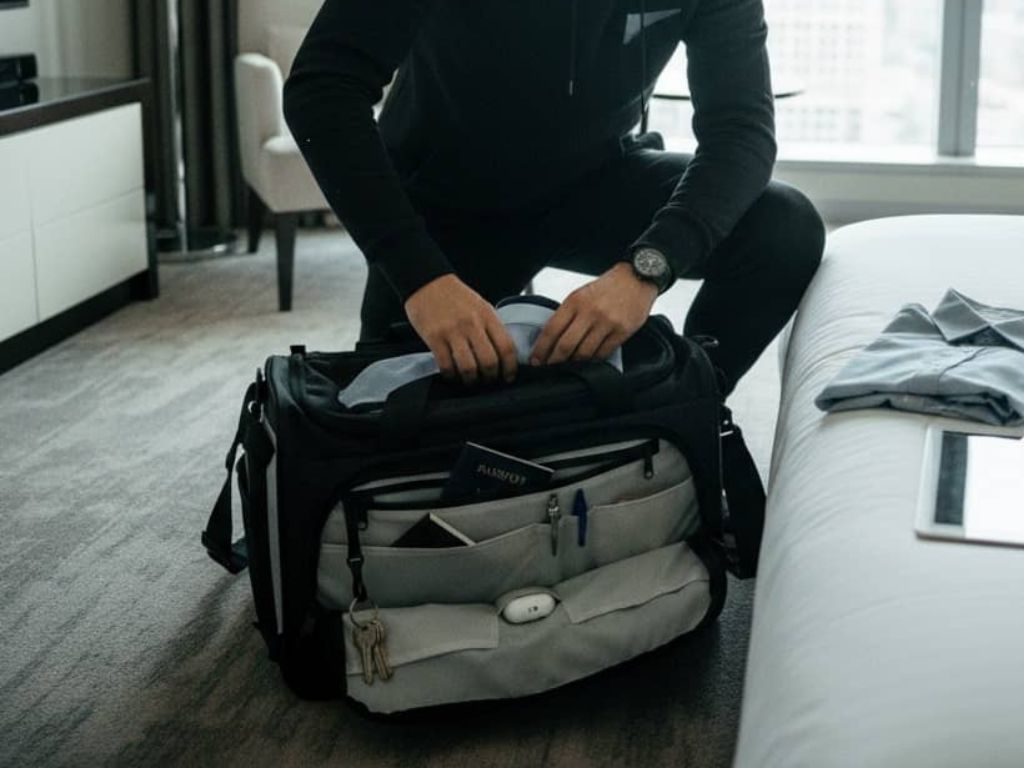
A smart personal item bag can easily carry:
• Clothes for 1–3 days
• A tech pouch
• Toiletries
• A pair of shoes
• A laptop & daily essentials
Without needing overhead space. The problem isn’t size. It’s design.
How to Choose the Right Bag
Here’s what actually matters when you’re deciding between a personal item and carry-on:
1. Length of Trip
• 1–3 days → personal item is usually enough
• 4–6 days → depends on how light you pack
• 7+ days → carry-on + personal item combo
2. Airline You Fly Most
If you fly:
• Budget airlines
• Short haul
• Regional carriers
A personal-item-first setup will save you meaningful money long-term.
3. How You Actually Travel
Ask yourself:
• Do I hate fighting for overhead bin space?
• Do I want quick exit off the plane?
• Do I like having my bag at my feet?
If yes… personal item wins every time.
4. Bag Construction
A good personal item bag should be:
✅ Durable
✅ Structured enough to hold shape
✅ Soft enough to slide under a seat
✅ Designed for vertical packing
✅ Have easy-access pockets
Not floppy. Not overbuilt. Not oversized. Just… smart.
Personal Item + Carry-On: The Best Setup
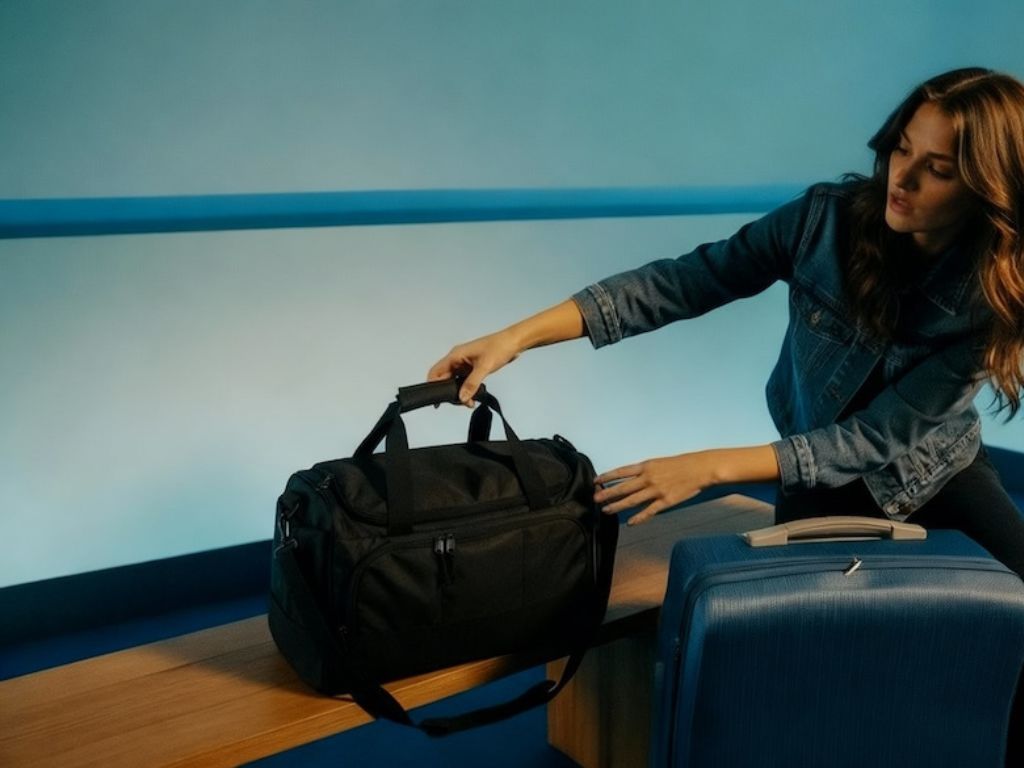
For many travelers, the ideal setup is: A roller carry-on + under-seat personal item
Your roller carries:
• Clothes
• Bulkier items
Your personal item carries:
• Tech
• Toiletries
• In-flight essentials
• Laptop
• Things you don’t want overhead
This gives you:
• Organization
• Redundancy
• No stress access
• No scrambling at security
Final Thought
Most people don’t need bigger luggage. They just need smarter luggage.
Understanding the difference between a personal item and a carry-on isn’t about compliance — it’s about control.
Control over:
• Your time
• Your money
• Your experience
And that’s what better travel gear should give you.