Airline tickets didn’t get more expensive. They just got unbundled.
Base fares look cheap. Baggage is where they make their money.
In 2026, airline baggage fees aren’t just annoying — they’re designed to catch you out. But avoiding them doesn’t require hacks, loopholes, or overthinking. Just a smarter approach to how you travel.
Here’s the practical way to do it.
How Baggage Fees Actually Work Now
Most airlines charge based on three buckets:
- Personal Item – Usually free
- Carry-On – Often paid
- Checked Bag – Almost always paid
And the gap between them is getting bigger.
On many budget airlines:
- A carry-on can cost $25–$60 each way
- A checked bag can reach $70–$100 one way
On a few trips per year, that adds up fast.
The Real Strategy: Personal Item First
If you want to consistently avoid fees, the smartest strategy is simple:
Build your setup around the personal item.
Not as an afterthought. As your primary bag.
Most airlines still allow one personal item for free — even on their cheapest fares. That’s the loophole they haven’t closed yet.
The trick isn’t packing less. It’s packing smarter.
What Actually Fits in a Proper Personal Item Bag
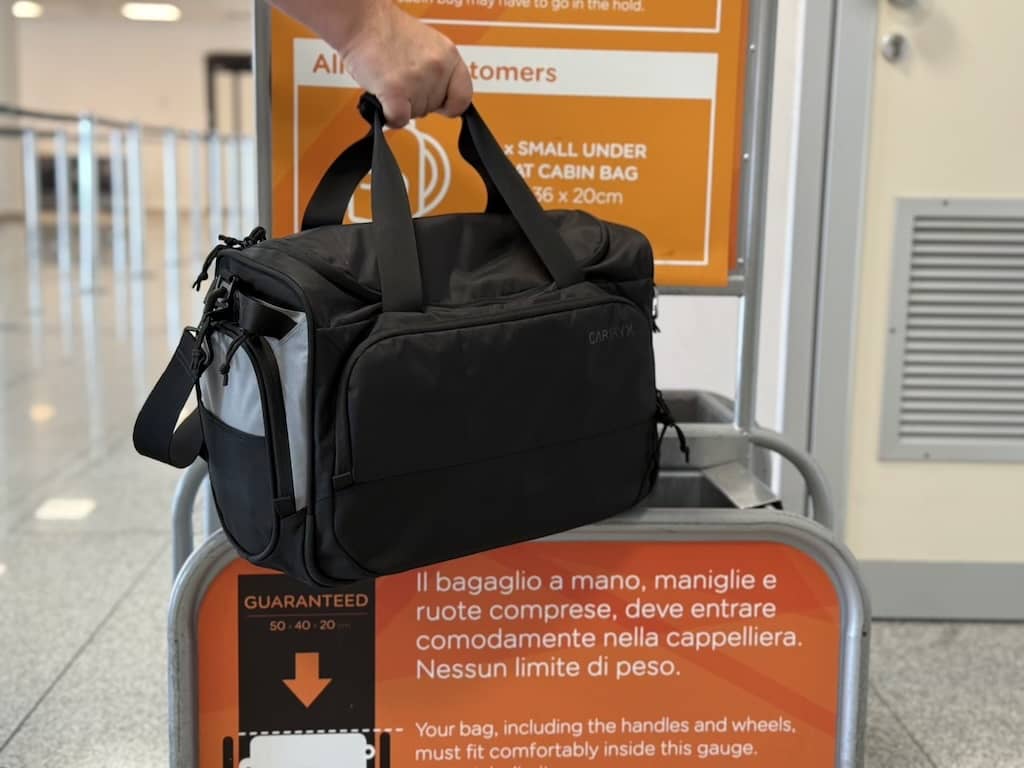
A well-designed under-seat bag should carry:
• Clothes for 1–3 days
• Toiletries (TSA compliant)
• Laptop + charger
• Tech pouch
• A pair of shoes
• Daily essentials
Without bulging. Without sagging. Without becoming a mess. Most people fail here not because they bring too much — but because their bag wastes space.
Common Mistakes That Trigger Fees
Here’s where most people slip up:
1. Using an oversized “personal item”
Airlines don’t care what you call it — only if it fits under the seat.
Even a few extra centimeters can get you:
• Forced into a paid upgrade
• Charged at the gate
• Or forced to check it
2. Choosing soft, unstructured bags
Floppy bags bulge, expand and give agents a reason to flag you.
A structured under-seat bag holds its shape and stays within limits.
3. Packing around clothing, not access
If your tech and essentials are buried, you’ll open it at security, repack poorly, and suddenly it’s too full.
Smart pockets = faster packing + fewer surprises.
Personal Item + Carry-On = Fee Immunity
If you travel longer trips or for work, here’s a smarter system:
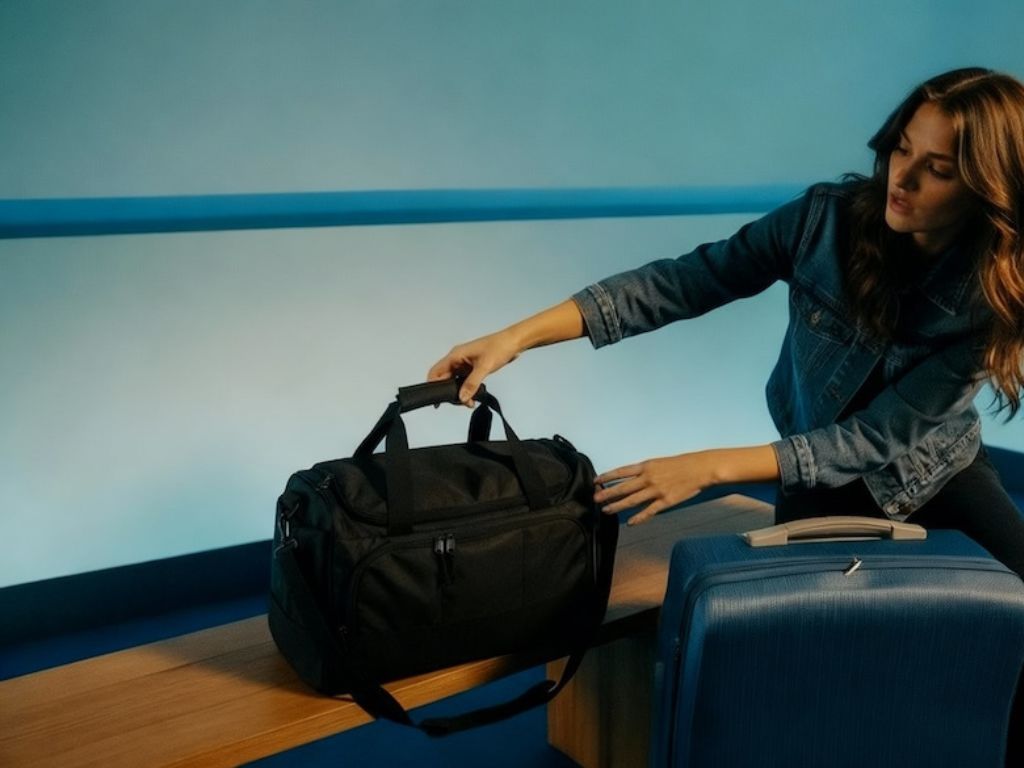
Roller carry-on + under-seat personal item
This gives you:
• Overhead space when included
• A guaranteed under-seat backup
• No stress if bins fill up
• Full access to essentials during the flight
When carry-ons get gate-checked, you still keep everything critical with you.
Why This Matters More in 2026
Airlines are tightening limits, not loosening them. Expect:
• Stricter enforcement
• Smaller “free” allowances
• Higher penalties at the gate
The travelers who win won’t be the ones arguing — they’ll be the ones who planned for it.
Final Thought
Avoiding baggage fees isn’t about beating the system. It’s about working within it — intelligently.
A well-designed under-seat bag won’t just save you money. It will save you time, decisions, and stress.
And that’s the real travel upgrade.