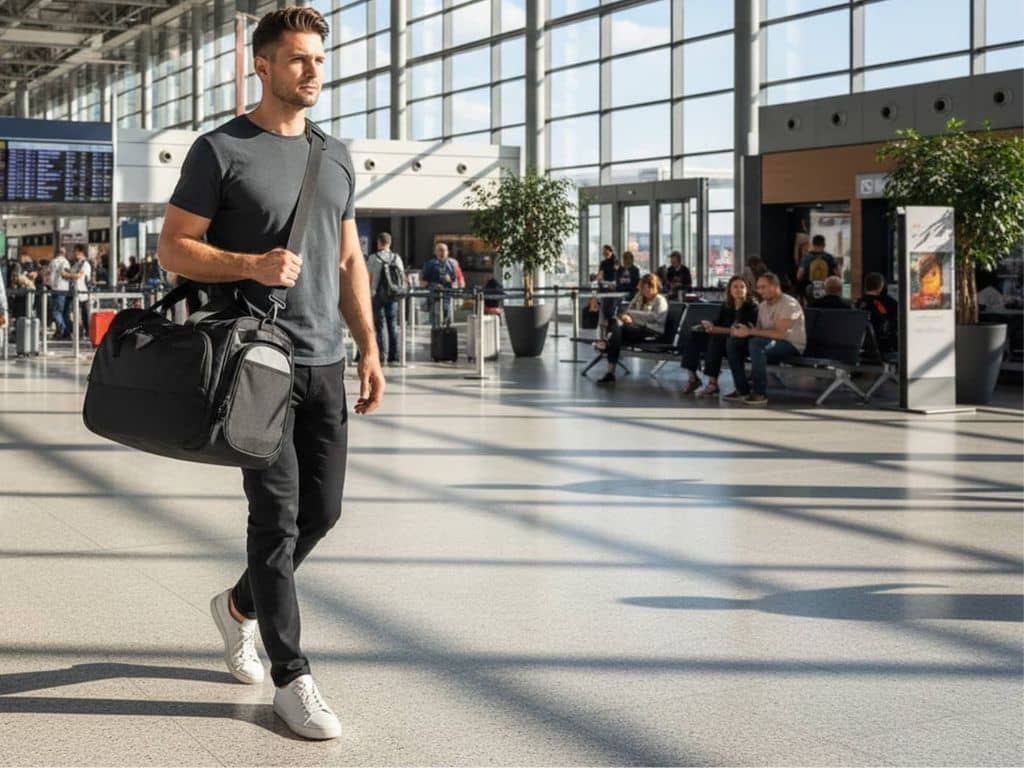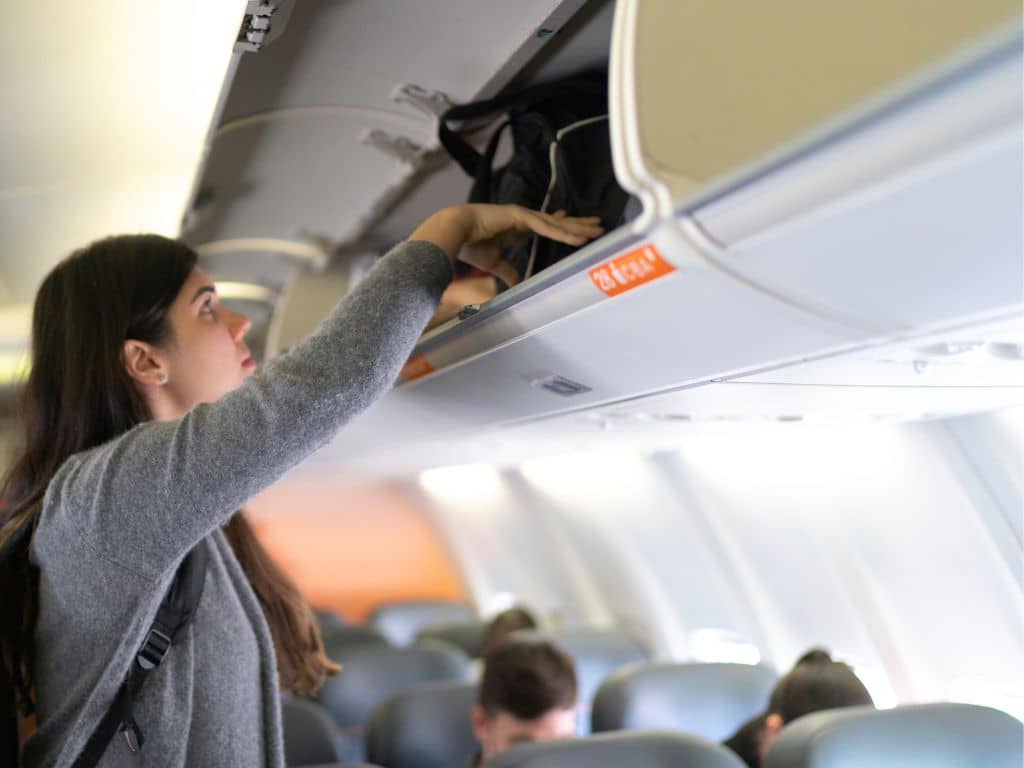
Overhead bins feel like a win. But they’re actually a trap.
The scramble.
The side-eye.
The passive-aggressive “That’s not how you place it.”
Most travelers treat overhead space like real estate.
But the smartest people on your flight?
They’re not playing that game.
They’re already seated.
Already settled.
Already done.
Overhead Bins Aren’t Storage — They’re Negotiation
When you use the overhead bin, you’re negotiating.
For space. For time. For patience.
And sometimes you lose all three.
You wait to board.
You wrestle your bag past strangers.
You wait again while everyone else tries to get their lives down from the ceiling.
All for storage you don’t control.
Under-Seat Travelers Play a Different Game
When your bag is under your seat:
Nobody can move it.
Nobody can steal it.
Nobody can block you from it.
Your space. Your rules.
No lifting.
No reshuffling.
No one asking you to rotate it sideways.
Just calm.
The Hidden Cost of Big Carry-Ons
The real tax of overhead bags isn’t airlines. It’s momentum.
You lose flow in the terminal.
You lose speed at security.
You lose time during boarding and exit.
Everything slows down.
A short trip becomes a long process.
A smooth flight turns into a bottleneck.
All to carry extra stuff most people never use.
Smart Travelers Optimize for Flow
They don’t optimize for capacity.
They optimize for movement.
Fast through airports.
Uncomplicated at security.
Immediate access in their seat.
They don’t win by bringing more.
They win by needing less.
Under-seat travel changes the whole rhythm.
Board when you want.
Exit when you want.
Grab your bag and go.
No ladder climbing. No aisle congestion.
The New Travel Status Symbol
It’s not a premium suitcase. It’s not priority boarding.
It’s walking off the plane while everyone else is still negotiating gravity and overhead physics.
That’s the real flex.
Not because you bought something fancy. Because you thought better. A personal Item bag help syour travel light, skip the bins and move freely.