Carry-On Bag Sizes: The 2026 Guide for Real Travelers
Airline carry-on rules usually come down to two things: size and weight.
Ignore either, and you risk a gate check, extra fees, or traveling stress you don’t need.
This guide breaks it down clearly — with real global context — so you don’t get caught in the gray zone between “should fit” and “doesn’t fit.”
No fluff. Just practical travel intelligence.
What Is a Carry-On?
A carry-on is the bag you bring into the aircraft cabin with you instead of checking it into the hold.
It typically stores:
- Clothing and toiletries
- Travel documents and money
- Tech like laptops, tablets, and chargers
- Anything you don’t want to risk losing
Your carry-on can go in:
The overhead bin or under the seat in front of you (if it’s small enough)
Many modern travelers now skip checked luggage entirely and travel carry-on only.
Why? Less waiting. Fewer fees. More control.
But that only works if your bag fits the rules.
The Big Question: What Size Is Actually Allowed?
While airlines haven’t standardized globally, most follow a loose pattern.
The Global Carry-On Size Benchmark
Most major airlines allow a maximum carry-on size close to:
22 x 14 x 9 inches (56 x 35 x 23 cm)
This includes:
- Wheels
- Handles
- External pockets
- Any expansion
But here’s the catch: Some airlines — especially budget carriers — use stricter limits.
US Airlines Carry-On Size Rules
The US standard is close to the industry benchmark:
Most US Airlines:
22 x 14 x 9 inches (56 x 35 x 23 cm)
Examples:
- Delta Airlines
- American Airlines
- United Airlines
- JetBlue
- Alaska Airlines
Exceptions:
- Southwest Airlines allows up to 24 x 16 x 10 inches
- Budget airlines (Spirit, Frontier) charge for carry-ons or restrict sizes based on fare type.
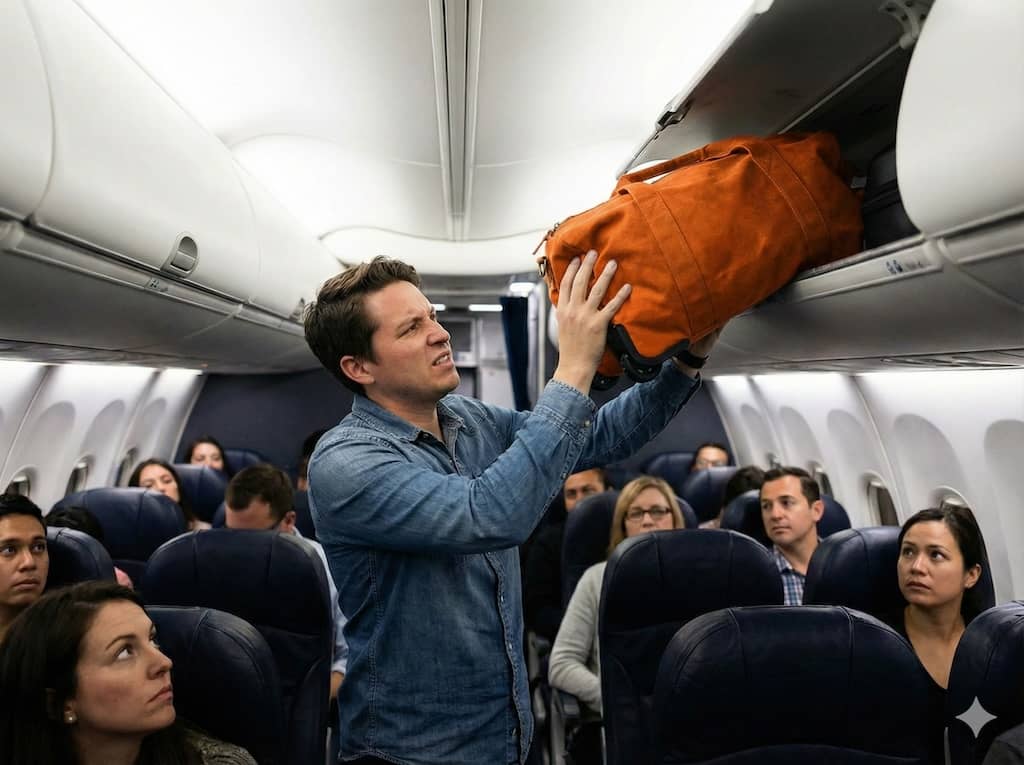
Important: While US airlines don’t publish strict weight limits, gate agents may prevent you from boarding if you can’t lift your bag into the overhead bin yourself.
Canada Carry-On Size Rules
Canadian airlines generally follow international standards, but baggage allowances often depend on fare type, especially on basic or economy-light tickets.
Most Canadian Airlines:
Standard Maximum Carry-On Size:
- 22 x 16 x 9 inches (56 x 40 x 23 cm)
Examples:
- Air Canada
- WestJet
- Porter Airlines
- Air Transat
Most Canadian airlines allow:
- 1 carry-on + 1 personal item on most standard fares
- Basic fares often restrict carry-ons or charge extra.
Typical Personal Item Size:
- 13 x 17 x 6 inches (33 x 43 x 16 cm)
Personal items must fit completely under the seat in front of you. Common examples:
- Small backpack
- Laptop bag
- Compact duffel
Weight Rules (Where Canada Differs)
Unlike many US airlines, several Canadian airlines do enforce weight limits on carry-ons. Typical range: 8 kg to 10 kg (17–22 lbs)
Especially on:
- Air Transat
- Some Air Canada fare tiers
- Regional routes and smaller aircraft
Important: Even if your bag matches size limits, Canadian carriers may still refuse it if:
• It exceeds weight limits
• It doesn’t fit in the airport sizer
• Your fare doesn’t include carry-on access
• The overhead bins fill before you board
Especially on full flights or regional aircraft, carry-ons may still be gate-checked.
Carry-On Size by Region (High-Level Overview)
UK & Major International Airlines
Here’s the general pattern among UK and global carriers:
- British Airways: 56 × 45 × 25 cm
- Ryanair: 55 × 40 × 20 cm (Priority)
- EasyJet: 56 × 45 × 25 cm
- Emirates: 55 × 38 × 22 cm
- Qatar Airways: 50 × 37 × 25 cm
- Virgin Atlantic: 56 × 36 × 23 cm
- Wizz Air: 55 × 40 × 23 cm (Priority)
Budget airlines tend to limit: Width, Depth, and sometimes weight.
Mainline carriers tend to allow slightly more flexibility, especially in higher fare classes.
The Difference Between Carry-On & Personal Item
They aren’t the same.
A carry-on goes in the overhead bin.
A personal item must fit under the seat in front of you.
Typical personal item max size:
-
18 x 14 x 8 inches (~ 40 x 30 x 20 cm)
What counts as a personal item?
- Compact duffel (or duffle ;)
- Small backpack
- Purse or tote
- Laptop bag
Many airlines now allow:
- 1 personal item free
- And charge for full carry-ons, especially on basic fares.
How to Measure Your Bag Properly
Most people get this wrong.
Here’s the correct process:
- Place your bag on a flat surface
- Retract handles if possible
- Measure from top to bottom including wheels and handle
- Measure width at the widest point (including side pockets)
- Measure depth from front to back including bulges
Add all three measurements to calculate total linear dimensions. Then compare against your airline’s published limit.
Don’t Forget Weight Limits
Some airlines care more about weight than size.
Best practice: Keep your bag 1–1.5kg below your limit.
Airport scales often differ slightly from home scales.
Bonus tip: A lighter empty bag means you can carry more actual gear.
Packing Smarter to Stay Within Limits
Here’s how real travelers avoid problems:
- Wear your bulky clothes on the plane
- Pack multipurpose clothing
- Use soft pouches instead of hard packing cubes
- Avoid overpacking “just in case” items
- Keep heavy items close to the bottom of your bag
If your bag is over-engineered and organized properly, meeting carry-on limits becomes effortless.
The CARRYX Approach
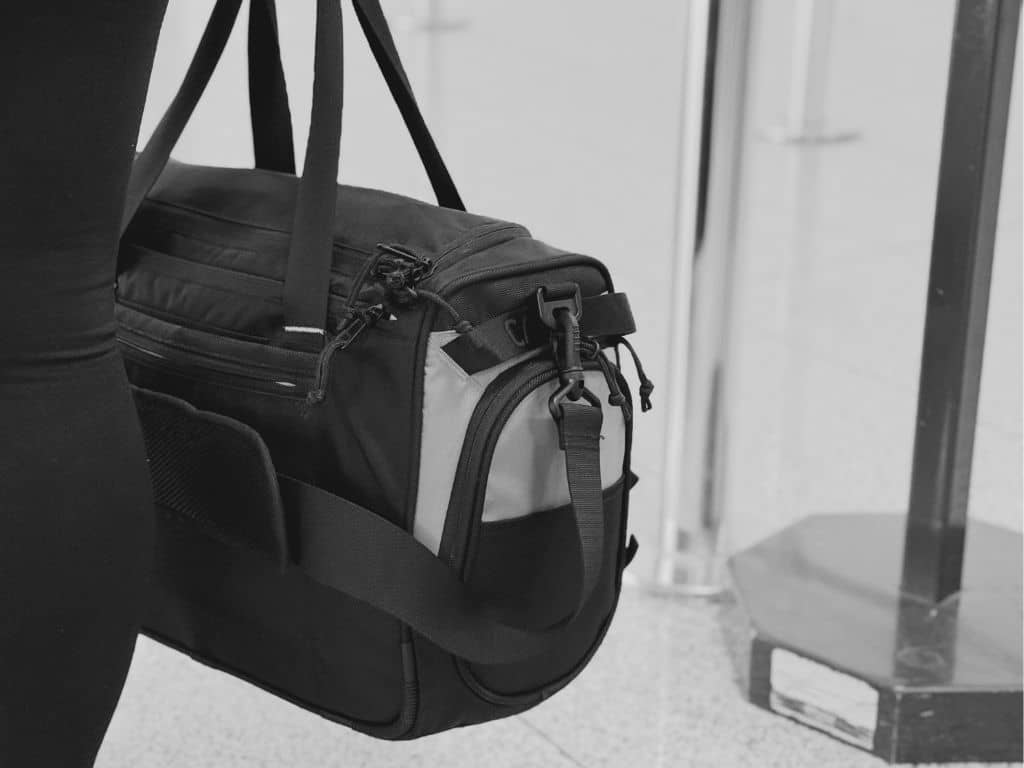
We designed the CARRYX Personal Duffel 27L around real airline rules — not marketing fantasy.
It:
- Fits within most global personal item requirements
- Sits under the seat on major airlines
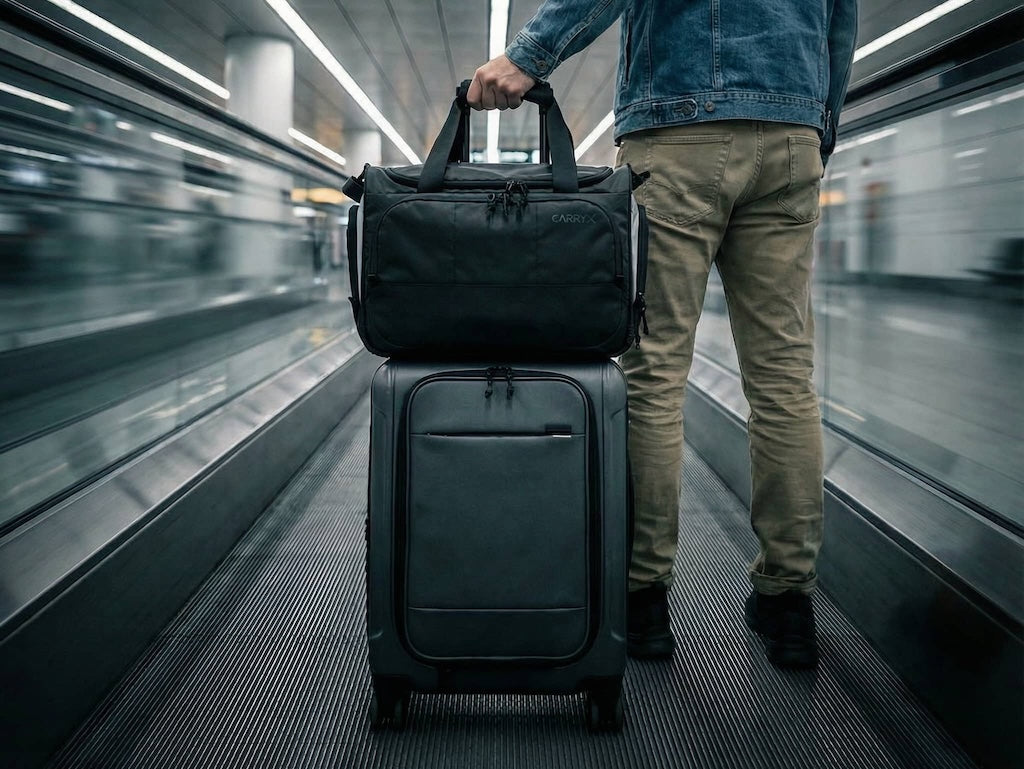
- Works as a carry-on companion or standalone bag
- Helps you avoid baggage fees and last-minute stress
Because good design doesn’t fight airline rules. It works inside them.
Final Takeaway
Airlines make carry-on rules complicated. But your strategy doesn’t have to be.
Know the general limits. Know your airline specifics.
Choose a bag designed around real travel — not just product pages.
When your bag fits the system, travel gets simpler. Not smaller. Just smarter.